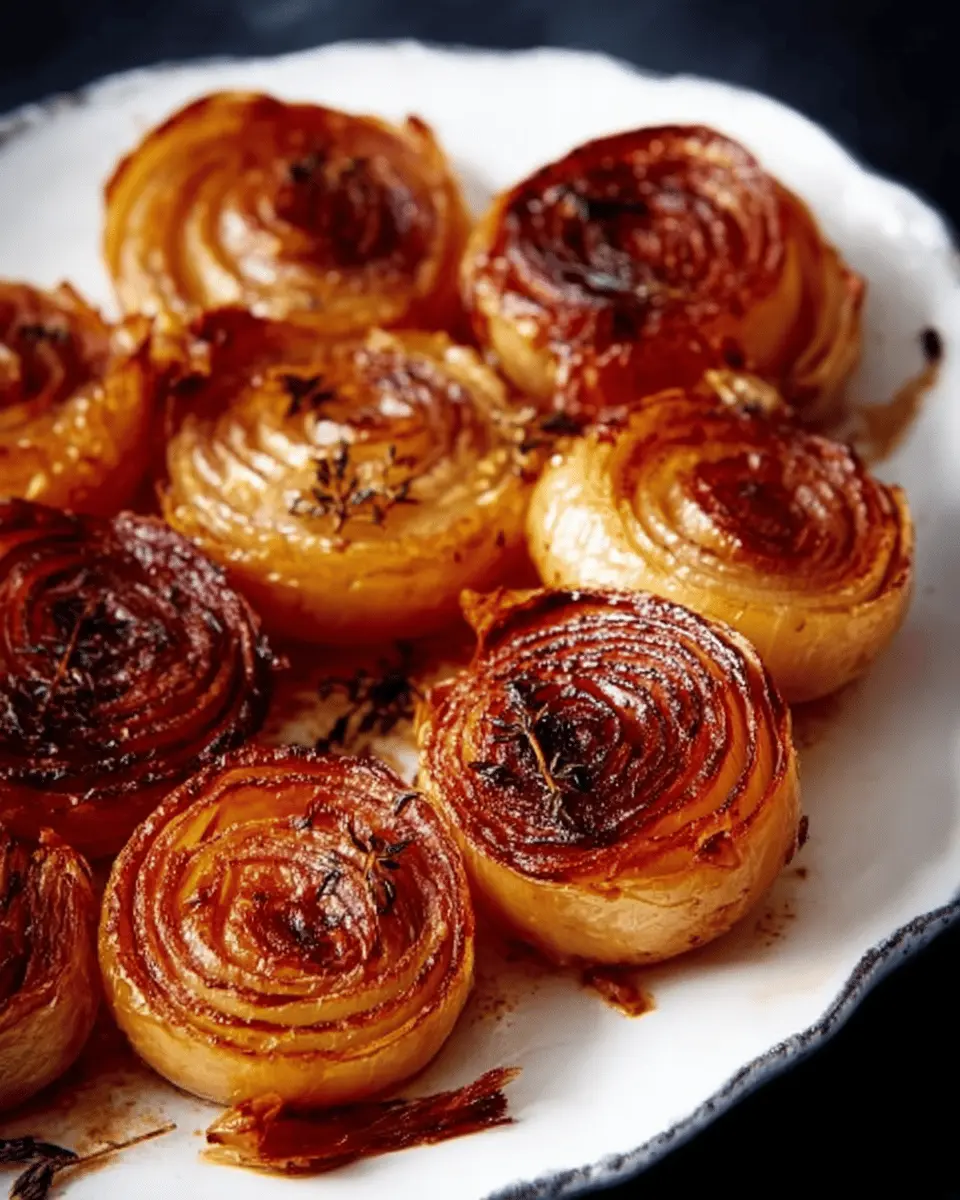
Elevate Your Side Dishes: Delicious Roasted Onion Variations
Transforming humble ingredients into culinary stars is one of the kitchen's greatest joys. Among these, the onion stands out as a versatile staple, capable of incredible flavor evolution when subjected to the magic of roasting. Forget the pungent, eye-watering raw experience; with simple roasted onions, you unlock a world of tender, sweet, and caramelized deliciousness that will redefine your perception of this everyday vegetable.
Whether you're looking for a reliable side dish for your holiday feast, a flavorful component for your weekly meal prep, or simply an easy, comforting accompaniment to a weeknight dinner, oven-roasted onions are a revelation. They emerge from the heat with an almost creamy interior, a subtle sweetness, and gorgeously browned, slightly crisp edges, offering a delightful contrast in texture and taste. This guide will walk you through the simple steps, creative variations, and expert tips to master this surprisingly elegant dish.
The Magic of Simple Roasted Onions: More Than Just a Side
What makes simple roasted onions so special? It's the profound transformation they undergo in the oven. The high heat works wonders, breaking down the complex sugars within the onion. This process not only mellows their natural pungency but also intensifies their sweetness, creating a rich, almost dessert-like flavor profile. The result is a vegetable that is tender to the point of being creamy in the middle, with outer layers and cut surfaces that caramelize into a beautiful golden-brown, offering a satisfying depth of flavor.
Beyond their incredible taste, these baked onions boast remarkable versatility. They are far more than just a simple side dish; they can be integrated into numerous recipes. Imagine them as a topping for grilled meats, folded into omelets, blended into creamy soups, or even as a flavorful base for savory tarts and pizzas. Their robust flavor holds up well, making them an excellent choice for meal prep. Cook a big batch, and you'll have a ready-to-use ingredient for several days, saving precious time during busy weeks. Plus, they freeze exceptionally well, maintaining their quality for up to a year, ensuring you always have a taste of this culinary comfort on hand.
Mastering Your Roast: Halves, Wholes, or Quarters?
One of the beauties of preparing simple roasted onions is the flexibility in how you cut them. The choice between roasting them whole, halved, or quartered largely depends on your desired presentation, cooking time, and intended use. Each method yields a slightly different result, offering unique textures and flavor distributions.
Whole Roasted Onions
Roasting onions whole creates a stunning presentation, especially for a holiday table or a special occasion. When roasted this way, they become incredibly tender throughout, with a soft, almost melting core. The outer layers develop a beautiful, deep caramelization. This method works particularly well with smaller to medium-sized onions. For an extra touch of richness, you can make a small incision in the top of each whole onion and insert a tiny pat of butter or a sprig of fresh thyme or rosemary before roasting. They take longer to cook than halved or quartered onions but are well worth the wait for their impressive appearance and melt-in-your-mouth texture.
Halved Roasted Onions
This is arguably the most popular and versatile method for simple roasted onions. Cutting onions in half exposes a large flat surface to the hot baking sheet, promoting excellent caramelization. The halves cook evenly, becoming wonderfully tender and sweet, with those coveted browned edges. This size is perfect for serving as a substantial side, easy to pick up, and ideal for infusing with garlic cloves pressed into the cut side or drizzling with balsamic vinegar. They offer a perfect balance between speed and intense flavor development.
Quartered Roasted Onions
For quicker cooking or when you want more surface area for browning, quartering your onions is an excellent choice. This method is fantastic if you're mixing onions with other vegetables like potatoes or bell peppers, as the smaller pieces will cook more uniformly. Quartered onions provide more bite and are ideal for tossing into salads, grain bowls, or as a component in a mixed roasted vegetable medley. While they might lose a little more moisture than halves or wholes, the increased caramelization makes up for it in robust flavor.
For more detailed guidance on achieving perfect results with each cut, explore our article on Mastering Roasted Onions: Perfect Halves, Whole, or Quartered.
Essential Ingredients and Flavor Boosters for Your Simple Roasted Onions
The beauty of simple roasted onions lies in their minimal ingredient list, yet they offer endless possibilities for customization and flavor enhancements.
The Core Ingredients:
- Onions: While medium yellow onions are a classic choice, this roasting method works beautifully with red or white onions too. Red onions tend to be slightly sweeter and offer a vibrant color, while white onions are milder. You can even roast them unpeeled for extra ease – the outer skin protects the onion, steaming it gently from the inside, and is easily removed once cooked. For more on this convenient technique, check out our guide on No-Peel Roasted Onions: Easy, Tender, & Meal Prep Friendly.
- Oil: Extra virgin olive oil is preferred for its flavor, but any neutral cooking oil like avocado or grapeseed oil will work. The oil helps conduct heat, prevents sticking, and promotes browning and caramelization.
- Sea Salt and Black Pepper: These are non-negotiable for enhancing flavor. Season generously, as onions can take a fair amount of salt.
Optional Add-ins and Variations:
This is where you can truly make your simple roasted onions shine and suit any palate or dish:
- Herbs: Fresh herbs are fantastic for infusing aroma and flavor. Lemon thyme is a personal favorite for its bright, citrusy notes. Rosemary adds an earthy, pine-like aroma, while oregano or sage can lend a more savory, robust character. Finely chopped fresh herbs can be tossed with the onions before roasting, or sprigs can be tucked among the onion pieces.
- Balsamic Vinegar: A drizzle of balsamic vinegar before baking adds a wonderful sweet-tangy complexity that beautifully complements the caramelized onions. It also deepens their color.
- Garlic: Enhance the savory profile with garlic. Sprinkle a bit of garlic powder for a subtle background note, or for a more intense flavor, gently press fresh garlic cloves into the cut side of onion halves. As the onions roast, the garlic will soften and mellow.
- Butter: For an extra layer of richness and a decadent flavor, add a tablespoon of melted butter along with the oil, or place small pats of butter directly onto each onion half or whole onion.
- Sweeteners: To amplify the natural sweetness, especially if your onions aren't particularly sweet, a small drizzle of liquid sweetener like honey, maple syrup, or agave syrup can work wonders. Alternatively, a sprinkle of brown sugar during the last 10-15 minutes of roasting can create a beautiful glaze.
- Spices: A sprinkle of sumac offers a delightful tart and slightly fruity note. Smoked paprika can add depth and a hint of smoky flavor, while a pinch of red pepper flakes can introduce a gentle warmth.
- Parmesan Cheese: While it might sound unconventional, serving baked onions with a dusting of freshly grated Parmesan cheese is surprisingly delicious, adding a salty, umami kick that balances the sweetness.
- Other Vegetables: Turn your roasted onions into a full medley by adding other hearty vegetables like chopped potatoes, carrots, or bell peppers. Ensure they are cut to similar sizes for even cooking.
Step-by-Step Guide to Perfect Simple Roasted Onions
Achieving perfectly tender, sweet, and caramelized simple roasted onions is incredibly straightforward. Follow these steps for consistent, delicious results every time:
- Preheat Your Oven: Adjust your oven rack to the lowest or middle-low position and preheat to 425°F (220°C). A hotter oven helps achieve those coveted browned, caramelized surfaces.
- Prepare the Onions: Depending on your preference, peel and cut your onions into halves, quarters, or leave them whole. If you choose to leave them unpeeled, ensure they are thoroughly washed.
- Season Generously: In a large bowl, toss the onion pieces with your chosen oil (e.g., olive oil). Season generously with sea salt and freshly ground black pepper. This is also the time to add any optional herbs, spices, or balsamic vinegar. Ensure every piece is lightly coated.
- Arrange on a Baking Sheet: Transfer the seasoned onions to a large, rimmed baking sheet. For best results, arrange them in a single layer without overcrowding. If roasting halves, place them cut-side down to maximize contact with the hot surface for optimal caramelization. Overcrowding leads to steaming instead of roasting, preventing proper browning. Consider using parchment paper or aluminum foil for easier cleanup.
- Roast Until Tender and Golden: Roast in the preheated oven. Cooking times will vary based on size:
- Quartered Onions: Approximately 20-30 minutes.
- Halved Onions: Approximately 30-40 minutes.
- Whole Onions: Approximately 45-60 minutes, or even longer for very large onions.
- Serve and Enjoy: Remove from the oven and serve immediately as a delightful side dish. They are also excellent at room temperature or reheated.
Expert Tips for Foolproof Simple Roasted Onions
- Don't Overcrowd the Pan: This is perhaps the most crucial tip. Onions need space to roast, not steam. If your pan is too full, they will release moisture and boil rather than caramelize. Use two baking sheets if necessary.
- Use a Hot Oven: A temperature of 400-425°F (200-220°C) is ideal for achieving a good balance of tender interiors and crispy, caramelized exteriors.
- Cut Uniformly: For consistent cooking, try to cut your onion pieces into roughly similar sizes. This ensures all pieces finish roasting around the same time.
- Season Liberally: Onions can handle a good amount of salt and pepper. Don't be shy!
- Embrace the Bottom: For halved onions, placing them cut-side down initially helps achieve that deep, rich caramelization on the flat surface.
- Experiment with Flavors: Don't be afraid to try different herbs, spices, vinegars, or sweeteners. This simple base is incredibly adaptable.
- Cool Slightly: While delicious hot, allowing roasted onions to cool for a few minutes can sometimes deepen their flavor further.
Conclusion
From a pungent raw state to a tender, sweet, and gorgeously caramelized delight, simple roasted onions are a testament to the transformative power of heat. They are a dish that truly delivers on all fronts: ease of preparation, incredible flavor, impressive versatility, and excellent meal-prep potential. Whether gracing your holiday table or adding a touch of elegance to a weeknight meal, these roasted beauties are sure to become a beloved staple in your culinary repertoire. So grab your onions, a little oil, and your favorite seasonings, and prepare to elevate your side dish game with this effortlessly delicious creation!
