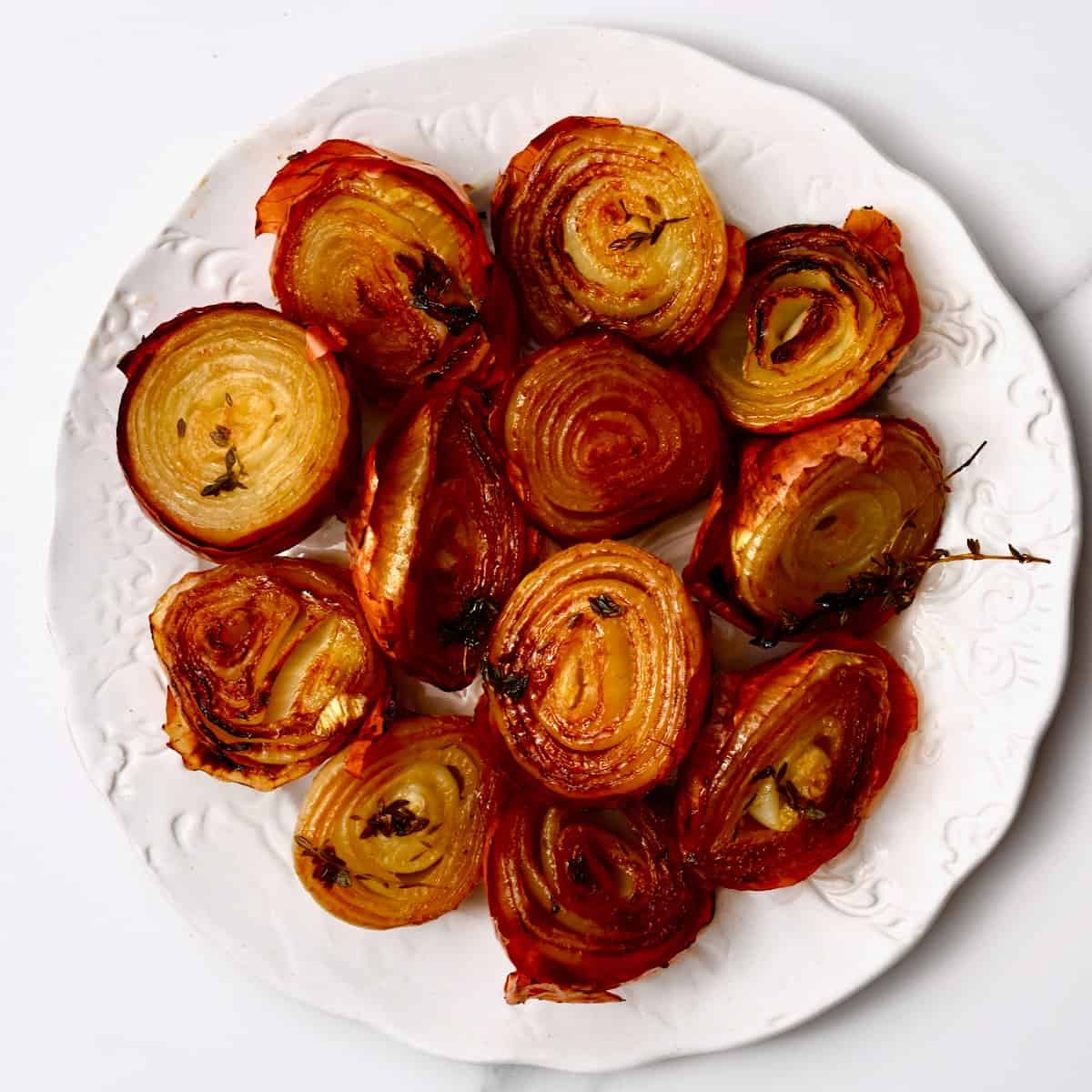
Discover the Magic of No-Peel Roasted Onions: Effortless Flavor, Unmatched Tenderness
Imagine a side dish that requires minimal effort but delivers maximum flavor: sweet, tender, and subtly caramelized onions, roasted to perfection without the fuss of peeling. This isn't a dream; it's the reality of simple roasted onions prepared the "no-peel" way. Forget the tears and tedious prep; this method transforms humble onions into an almost creamy delight, making them an indispensable addition to your weeknight meals, holiday spreads, and meal prep repertoire.
We've all been there, juggling multiple dishes, trying to get dinner on the table. That's where reliable, easy-to-prepare vegetable sides become culinary heroes. Just like roasted broccoli and cauliflower or maple-honey roasted carrots, these no-peel roasted onions are about to become your new go-to. They’re a testament to how simple techniques can unlock incredible depth of flavor from everyday ingredients.
The Genius of No-Peel: Why This Method Works Wonders
The biggest revelation with this roasted onion technique is its incredibly forgiving, hands-off nature. The tough outer skin, often discarded, actually plays a crucial role in the roasting process. By leaving the peel intact during the initial stages of roasting, you're essentially creating a natural protective layer. This layer traps moisture, allowing the onion flesh to steam gently within its own skin. The result? Unbelievably tender, almost custardy interiors that are far more delicate than onions roasted after peeling. The exterior, while not directly consumed, contributes to the overall caramelization and protects the delicate inner layers from drying out.
Once roasted, the softened onion practically slips out of its skin with minimal effort, leaving you with beautifully cooked halves, quarters, or even whole onions ready to be seasoned and served. This method drastically cuts down on preparation time, eliminates the usual tear-inducing peeling, and ensures a consistently superior texture. It’s a game-changer for anyone who loves the flavor of roasted onions but dreads the prep work.
Achieving the Perfect Balance: Tender Interior, Caramelized Edges
The magic happens in the oven. High heat transforms the onion's natural sugars, leading to a subtle sweetness and a beautiful caramelization on any exposed surfaces. While the no-peel method focuses on interior tenderness, you can still achieve those desirable golden-brown edges. For halved or quartered onions, placing them cut-side down against the baking sheet maximizes contact and promotes that delicious browning. The combination of slow, moist cooking inside the skin and the direct heat on exposed surfaces creates a symphony of textures and flavors: a mild, sweet, and almost creamy heart with a slightly crisp, subtly charred top. A fresh herb like thyme or rosemary, added during roasting, infuses the onions with an aromatic complexity that elevates their simple goodness.
Versatility & Meal Prep Powerhouse: Integrating Simple Roasted Onions into Your Diet
One of the most appealing aspects of simple roasted onions is their incredible versatility. They aren't just a side dish; they can be a key component in a variety of culinary creations. Whether you're looking for an elegant addition to your holiday table, a foundational ingredient for meal prep, or a quick side for a weeknight dinner, these onions fit the bill perfectly.
- Holiday Feasts: Alongside creamy mashed potatoes, savory green bean casserole, and rich brown gravy, tender roasted onions add a touch of sophisticated sweetness that complements all your Thanksgiving and Christmas favorites.
- Everyday Meals: They pair wonderfully with roasted chicken, grilled fish, steak, or even as a flavorful component in grain bowls and salads. Toss them with pasta or blend them into a creamy soup for an unexpected depth of flavor.
- Meal Prep Champion: These onions store exceptionally well. Prepare a large batch at the beginning of the week, and you'll have a ready-to-use ingredient for several meals. They keep beautifully in the refrigerator for up to 4-5 days and can even be frozen for up to 12 months, making them an ideal candidate for batch cooking.
- Different Cuts for Different Dishes: Depending on your preference and how you plan to use them, you can roast onions whole, halved, or quartered. Each cut offers a slightly different texture and presentation. For detailed guidance on optimizing each cut, explore our comprehensive guide: Mastering Roasted Onions: Perfect Halves, Whole, or Quartered.
The Simple Ingredients You'll Need
The beauty of this recipe lies in its minimalist approach. You truly need only a handful of ingredients to create something truly delicious.
- Onions: While medium yellow onions are a popular choice for their balanced sweetness, this no-peel method works beautifully with other varieties too. Red onions will offer a slightly bolder, sweeter flavor and a vibrant color, while white onions provide a sharper, crisper edge. Don't be afraid to experiment with what you have on hand.
- Oil: Extra virgin olive oil is a classic choice, lending a subtle richness and helping with caramelization. However, any neutral cooking oil like avocado oil, grapeseed oil, or even melted coconut oil (if you enjoy the flavor profile) will work effectively. The oil helps conduct heat and prevents sticking.
- Sea Salt & Black Pepper: These fundamental seasonings are crucial. Sea salt enhances the natural sweetness of the onions and brings out their deeper flavors. Freshly ground black pepper adds a gentle warmth and complexity. Season generously to taste.
- Fresh Herbs (Optional, but Recommended): A sprig of fresh lemon thyme, rosemary, or oregano tucked into the baking sheet with the onions will infuse them with an aromatic lift. The subtle herbal notes complement the onion's sweetness beautifully.
Unleashing Flavor: Optional Add-ins & Creative Variations
While the basic simple roasted onions are fantastic on their own, a few strategic additions can elevate them to new culinary heights. Don't be afraid to experiment and customize them to your liking.
Enhancing Sweetness and Acidity
- Balsamic Vinegar: A drizzle of balsamic vinegar over the onions before roasting creates delicious balsamic-glazed onions. The vinegar's tang cuts through the sweetness and adds a beautiful, complex depth, particularly wonderful when paired with fresh thyme or rosemary.
- Sweeteners: To further enhance their natural sweetness, a small drizzle of liquid sweetener like honey, maple syrup, or agave can be added. Alternatively, a sprinkle of brown sugar during the last 10-15 minutes of roasting can create an irresistible caramelized crust.
Boosting Richness and Umami
- Butter: For an extra layer of richness, incorporate some melted butter alongside your oil. For whole roasted onions, a tiny pat of butter gently pressed into the center of each onion before roasting will create a luxurious, buttery core.
- Garlic: Roast whole garlic cloves alongside your onions for a pungent, sweet complement. Alternatively, sprinkle with garlic powder for an easy flavor boost, or gently press fresh minced garlic into each onion half for a more intense infusion.
- Parmesan Cheese: It might sound unusual, but a sprinkle of grated Parmesan cheese over the roasted onions in the final minutes of cooking creates a wonderfully savory, salty crust that is surprisingly delicious.
Aromatic Herbs and Spices
- Other Herbs: Beyond thyme and rosemary, consider fresh sage, oregano, or a blend of finely chopped herbs for different flavor profiles. Mediterranean herbs pair particularly well with the inherent sweetness of roasted onions.
- Sumac: A sprinkle of sumac after roasting adds a lovely tangy, slightly fruity note that brightens the dish.
- Smoked Paprika or Chili Flakes: For a touch of warmth and spice, a pinch of smoked paprika or a few chili flakes can transform the flavor profile.
Combine with Other Vegetables
Roasting onions alongside other hardy vegetables is a fantastic way to create a complete and balanced side dish. Potatoes, bell peppers, carrots, or even root vegetables like parsnips can all be roasted together with the onions, absorbing their flavors and contributing to a vibrant medley. For even more creative ideas and detailed recipes on transforming this simple dish, be sure to read: Elevate Your Side Dishes: Delicious Roasted Onion Variations.
Simple Steps for Perfect No-Peel Roasted Onions
Preparing these onions is incredibly straightforward. Here’s a general guide:
- Preheat & Prepare: Adjust your oven rack to the lower-middle position and preheat to 400-425°F (200-220°C). Line a rimmed baking sheet with parchment paper for easy cleanup.
- Wash & Trim: Gently wash the unpeeled onions. Trim off only the very root end and the very top stalk, ensuring the skin remains largely intact to hold the onion together.
- Cut (or Don't): Depending on your desired outcome, leave them whole, cut them in half lengthwise (through the root), or quarter them. If halving or quartering, try to keep a small portion of the root end intact on each piece; this helps hold the layers together during roasting.
- Season: In a large bowl, toss the onion pieces (or whole onions) with your chosen oil, sea salt, and black pepper. If using fresh herbs like thyme, tuck sprigs among the onions on the baking sheet.
- Arrange & Roast: Place the onions cut-side down (if halved/quartered) on the prepared baking sheet in a single layer, ensuring they're not overcrowded. Roast for 30-45 minutes, or until deeply tender and caramelized to your liking. The exact time will depend on the size of your onions and whether they are whole, halved, or quartered. Whole onions will take longer.
- Peel & Serve: Once roasted, carefully remove the onions from the oven. Allow them to cool slightly. The outer skin should easily slip off, revealing the beautifully cooked, tender interior. Discard the peels and serve immediately.
Tips for Success:
- Don't Overcrowd the Pan: Give the onions space on the baking sheet. If they're too close, they'll steam instead of roast, preventing proper caramelization. Use two baking sheets if necessary.
- Check for Doneness: Onions are done when they are fork-tender and have achieved a beautiful golden-brown color on their exposed surfaces.
- Taste & Adjust: Always taste before serving and adjust seasoning as needed. A final sprinkle of flaky sea salt can make a big difference.
Embrace the Simplicity, Savor the Flavor
No-peel roasted onions are more than just a recipe; they're a testament to the power of simplicity in cooking. By embracing a method that reduces effort and enhances natural flavors, you unlock a versatile, delicious, and incredibly satisfying side dish or meal component. From their tender, almost creamy texture to their sweet, caramelized notes, these simple roasted onions are sure to become a cherished addition to your culinary repertoire. So go ahead, skip the peeling, and let your oven do the magic.
