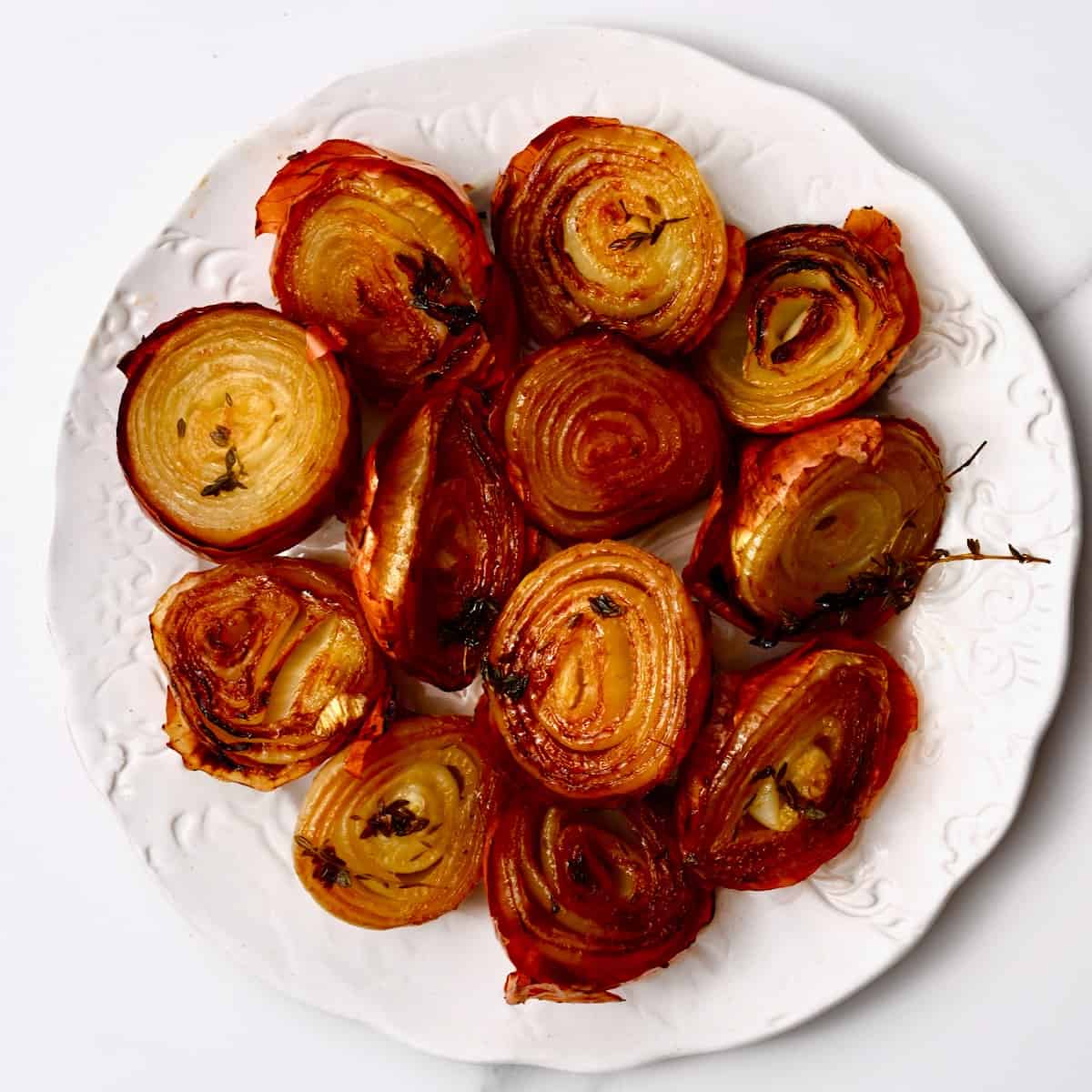
Mastering Roasted Onions: Perfect Halves, Whole, or Quartered
Transforming humble onions into a culinary delight is far simpler than you might imagine. Forget the tears and strong raw bite; a stint in the oven works magic, coaxing out incredible sweetness, tenderness, and a beautiful caramelized char. These simple roasted onions are not just an easy side dish; they're a revelation, versatile enough for everyday meals, elegant enough for holiday feasts, and incredibly satisfying.
Imagine tender, almost creamy interiors, subtly sweet, with a hint of crispiness on the edges and a gentle infusion of aromatic herbs. That's the promise of oven-roasted onions, whether you choose to prepare them as majestic whole bulbs, classic halves, or convenient quarters. This guide will walk you through everything you need to know to achieve perfection every time, from choosing your cut to exploring delicious flavor variations.
Why Simple Roasted Onions Deserve a Spot on Your Table
In a world of complex recipes, the allure of simple roasted onions lies in their profound flavor transformation and effortless preparation. What starts as a pungent ingredient emerges from the oven mellow, deeply flavorful, and wonderfully sweet. Here’s why they should become your new go-to side:
- Unparalleled Flavor & Texture: Roasting brings out the natural sugars in onions, leading to a beautiful caramelization that sweetens and mellows their flavor. The texture shifts from crisp to incredibly tender, often described as almost creamy in the center, with delightful slightly crisp edges.
- Minimal Effort, Maximum Impact: Many methods, especially for whole or halved onions, require virtually no peeling beforehand, making prep incredibly quick. A few basic ingredients and a hot oven are all you need to create a sophisticated side.
- Incredible Versatility: Roasted onions pair well with virtually any main course. They’re fantastic alongside roasted meats, poultry, fish, or even vegetarian dishes. They can be added to salads, grain bowls, sandwiches, or pureed into soups for a rich, sweet base.
- Meal-Prep Friendly: This side dish holds up beautifully in the refrigerator for several days, making it ideal for advance meal preparation. It also freezes exceptionally well, ensuring you always have a delicious vegetable option on hand. Discover more about their convenience in our guide to No-Peel Roasted Onions: Easy, Tender, & Meal Prep Friendly.
- Holiday Table Star: While simple enough for a Tuesday night, their rich flavor and elegant appearance make them a welcome addition to holiday spreads, complementing traditional favorites like mashed potatoes, green bean casserole, and gravy.
Choosing Your Cut: Whole, Halved, or Quartered?
The beauty of roasting onions lies in the flexibility of preparation. Your choice of cut will influence cooking time, texture, and presentation, offering different experiences for your palate and plate.
Whole Roasted Onions
Ideal for:
- Presentation: Whole onions make a stunning visual statement, especially smaller to medium-sized bulbs.
- Creamiest Texture: The skin acts as a natural packet, steaming the onion from within, resulting in an exceptionally tender, almost custardy interior.
- Flavor Infusion: Perfect for stuffing a small pat of butter or a garlic clove into the core before roasting for deep flavor.
Preparation: For whole onions, simply trim the root and stem ends slightly (just enough to make them stable and remove any dry papery bits) but leave most of the outer skin intact. It will peel away effortlessly after roasting.
Halved Roasted Onions
Ideal for:
- Balanced Caramelization: Exposes a large cut surface to the heat, allowing for significant browning and intense sweetness.
- Faster Cooking: Quicker to cook than whole onions while still retaining a generous, tender interior.
- Classic Side: This is arguably the most common and versatile cut for roasted onions.
Preparation: Trim the root and stem ends, then peel off the papery outer layers. Cut each onion in half through the root end. For best caramelization, place cut-side down on the baking sheet.
Quartered Roasted Onions
Ideal for:
- Quickest Cooking: More surface area means faster roasting and more opportunities for browning.
- Mix-and-Match Veggies: Excellent when roasting with other vegetables like potatoes, carrots, or peppers, as they'll cook at a similar rate.
- Easier Serving: Smaller pieces are bite-sized and easy to integrate into various dishes.
Preparation: After trimming and peeling, cut each onion in half, then cut each half into two wedges, creating quarters.
The Core Recipe: Achieving Perfectly Simple Roasted Onions
Regardless of your chosen cut, the basic methodology for delicious simple roasted onions remains consistent. This core recipe serves as your foundation for endless variations.
Essential Ingredients:
- Onions: 4-6 medium yellow onions are a fantastic starting point. Red onions offer a beautiful color and slightly sweeter flavor, while white onions provide a milder taste. The "unpeeled" method works exceptionally well for whole or large halved yellow or red onions.
- Oil: 2-3 tablespoons of extra virgin olive oil are preferred for its flavor, but any neutral cooking oil (like avocado or grapeseed) works equally well.
- Seasoning: Sea salt and freshly ground black pepper, to taste. Don't be shy with the salt; it really helps draw out the onions' sweetness.
- Aromatics (Optional but Recommended): A few sprigs of fresh lemon thyme or regular thyme add a wonderful, subtle fragrance and depth of flavor. Rosemary or sage are also excellent choices.
Step-by-Step Guide:
- Preheat Your Oven: Adjust an oven rack to the lowest position and preheat your oven to a hot 425°F (220°C). This high heat is crucial for achieving tender interiors and beautifully caramelized exteriors.
- Prepare Your Onions:
- For whole onions: Lightly trim the very ends (root and stem) to make them stable and remove any loose, dry papery skin.
- For halved or quartered onions: Trim both ends, then peel away the papery outer skin and any bruised layers. Cut according to your preference (halves through the root, or halves again into quarters).
- Season & Toss: In a large bowl, toss the prepared onions with the olive oil, salt, and black pepper. If using fresh herbs, you can tuck sprigs around whole onions or sprinkle chopped herbs over halves/quarters. Ensure all pieces are evenly coated.
- Arrange on Baking Sheet: Place the onions in a single layer on a rimmed baking sheet. For halves, arrange them cut-side down to maximize caramelization. Avoid overcrowding the pan; use two sheets if necessary to ensure proper roasting rather than steaming. Line with parchment paper for easy cleanup.
- Roast to Perfection: Roast in the preheated oven.
- Whole onions: 45-60 minutes, or until deeply tender when pierced with a knife and beautifully browned on the outside.
- Halved onions: 30-40 minutes, or until tender and the cut surfaces are golden brown and caramelized.
- Quartered onions: 25-35 minutes, or until tender with browned edges.
- Serve Warm: Remove from the oven and serve immediately. If desired, a sprinkle of fresh parsley or chives adds a lovely finishing touch.
Beyond the Basics: Flavor Variations and Serving Suggestions
The beauty of simple roasted onions lies not only in their ease but also in their adaptability. Once you master the basic technique, a world of flavor combinations opens up. Explore these options to elevate your side dish:
Sweet & Tangy Enhancements
- Balsamic Onions: A drizzle of balsamic vinegar over the onions before roasting adds a wonderful tangy-sweet glaze, deepening their caramelized flavor. This pairs exceptionally well with thyme.
- Maple or Honey Glaze: For an extra touch of sweetness, especially if serving with pork or chicken, drizzle a small amount of maple syrup, honey, or agave nectar over the onions during the last 10-15 minutes of roasting. A sprinkle of brown sugar works similarly.
Herbs & Spices
- Rosemary & Garlic: Combine fresh rosemary sprigs and thinly sliced garlic cloves with your onions. For halved onions, you can even press a sliver of fresh garlic into the center before roasting. Garlic powder can also be sprinkled on for convenience.
- Sage & Oregano: These earthy herbs complement the sweetness of roasted onions beautifully, particularly when served with rich meats.
- Sumac: A sprinkle of sumac after roasting adds a lovely tangy, citrusy note without the acidity of lemon.
- Spice Blends: Experiment with a pinch of smoked paprika, cumin, or even a touch of curry powder for an adventurous twist.
Richness & Savory Notes
- Buttery Onions: Alongside the olive oil, add a tablespoon of melted butter for extra richness. For whole roasted onions, tuck a tiny pat of butter into the core of each before baking.
- Parmesan Perfection: While it might sound unusual, a sprinkle of grated Parmesan cheese over the onions during the last 5-10 minutes of roasting creates a delicious savory crust that pairs surprisingly well with the sweet onions.
Pairing with Other Vegetables
Roasted onions are fantastic on their own, but they also make a wonderful addition to a medley of roasted vegetables. Combine them with potatoes, bell peppers, carrots, or even Brussels sprouts for a vibrant and hearty side dish. For more inspiration on creative pairings and flavor twists, be sure to check out Elevate Your Side Dishes: Delicious Roasted Onion Variations.
Tips for Success & Meal Prep
Achieving perfectly roasted onions is simple, but a few key tips can elevate your results:
- Don't Overcrowd the Pan: This is critical! If onions are too close together, they'll steam rather than roast, resulting in soggy instead of caramelized exteriors. Use multiple baking sheets if necessary.
- High Heat is Key: A hot oven (400-425°F / 200-220°C) is essential for that beautiful browning and tender texture.
- Parchment Paper: Lining your baking sheet with parchment paper prevents sticking and makes cleanup a breeze.
- Uniformity: For halved or quartered onions, try to cut them into similar sizes to ensure even cooking.
- Check for Doneness: Onions are ready when they are fork-tender and have achieved your desired level of caramelization. Don't be afraid to let them get deeply golden brown for maximum flavor.
Storage and Reheating:
One of the best aspects of these simple roasted onions is how well they store. Let them cool completely, then transfer to an airtight container.
- Refrigerator: They will keep fresh for 3-5 days.
- Freezer: For longer storage, spread the cooled roasted onions in a single layer on a baking sheet and freeze until solid. Then transfer them to a freezer-safe bag or container, where they will last for up to 12 months. Thaw in the refrigerator overnight or reheat directly from frozen.
- Reheating: Reheat in a preheated oven at 350°F (175°C) until warmed through, or gently warm in a skillet on the stovetop.
Conclusion
From a humble bulb to a culinary star, simple roasted onions are a testament to the power of basic cooking techniques. With minimal effort, you can create a side dish that is incredibly tender, subtly sweet, and rich with caramelized flavor. Whether you choose whole, halved, or quartered, and whether you stick to the classic seasoning or experiment with exciting variations, these easy roasted onions are guaranteed to impress. They are not just a side; they are a flavorful staple, ready to grace your everyday meals and elevate your special occasions. So, preheat your oven and get ready to discover the irresistible charm of roasted onions!
